Practical answers from the people who do the work, for homeowners, condo boards and facility managers across Eastern Massachusetts, Rhode Island and Southern New Hampshire.
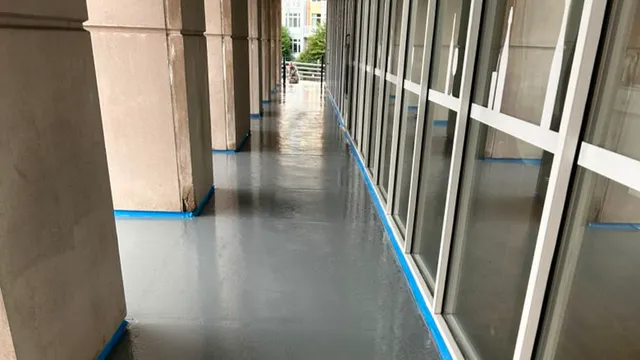
For a warehouse or shop floor that cannot close for long, a fast-cure polyaspartic or hybrid system is usually the right choice. It can take foot traffic within hours and light equipment the next day, so the floor can be coated in sections over nights or weekends. Grinding, joint repair and a moisture check decide how long it lasts.
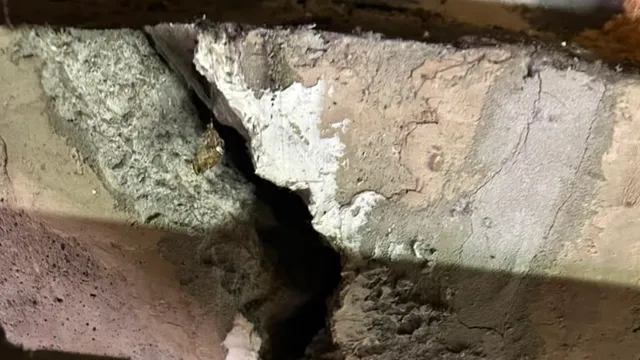
A garage floor that flakes and pits is usually suffering from road salt and freeze-thaw. Salty slush from your car soaks into the top layer, freezes and pops it off. If the slab is still solid and level, it can be ground down and resurfaced. If it has sunk or the damage runs deep, it should be replaced.
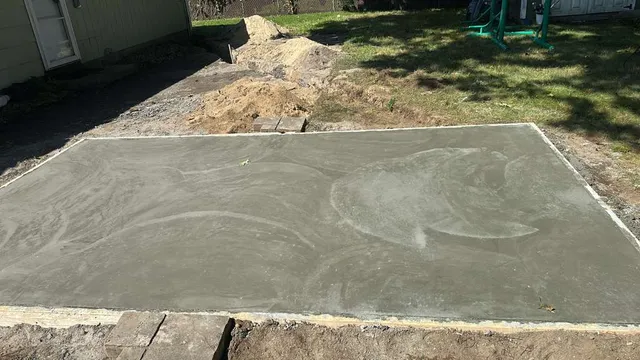
A garage floor heaves in winter when the soil under the slab is wet and freezes. Near the Marshfield coast that usually means a high water table, a driveway that sheds water into the garage, or a slab pitched the wrong way. The lasting fix starts with drainage, then repairs or replaces the slab on a drained base.
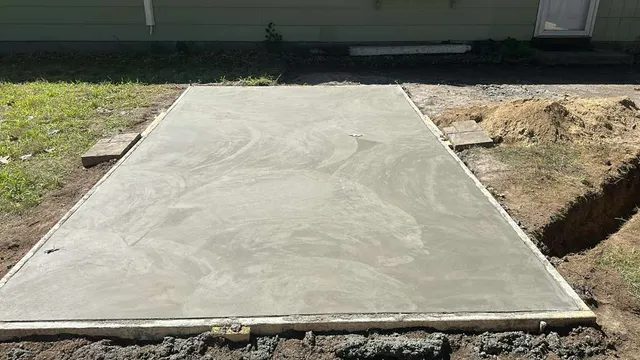
Resurface a cracked garage slab when it is level, the cracks are not moving and the damage is at the surface. Replace it when sections have sunk or heaved, cracks are offset, water now drains toward the house, or the base underneath has failed. Resurfacing over a moving slab just cracks again.
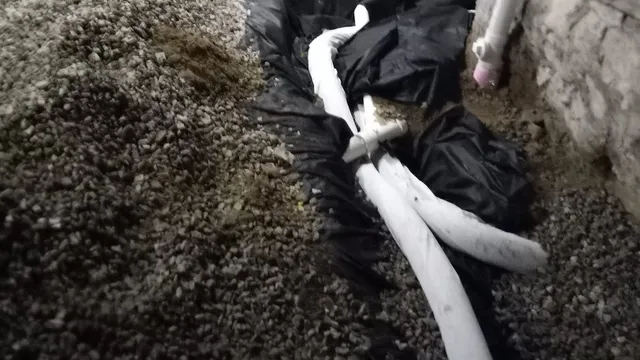
Water that comes up through a basement floor in winter is usually groundwater pushed up by pressure under the slab during a thaw or a heavy rain. In Milton's older homes it often enters where the floor meets a fieldstone or block wall. An interior perimeter drain and sump pump relieve that pressure and carry the water out.
Tell us what you are seeing and where the property is. We respond within one business day.